
Chronic low back pain has become one of the most common health concerns in modern urban life. In a city like Pune, where long working hours, sedentary lifestyles, and prolonged use of digital devices are part of daily routine, back pain has silently turned into an epidemic. While surgery may sound like the ultimate solution, the encouraging reality is that most cases of chronic low back pain can be effectively managed without it.
Understanding Why Back Pain Becomes Chronic
The human spine is supported by bones, discs, ligaments, and muscles. Each component has a specific role, and pain often arises when this balance is disturbed. Weak spinal muscles, poor posture, repetitive strain, or emotional stress can lead to persistent muscle tension and inflammation. Over time, these changes make the pain chronic, often without any major structural abnormality.
In many patients, the pain is not caused by a damaged disc or bone but by muscle dysfunction, nerve irritation, or faulty movement patterns. Recognising this is the key to successful non-surgical management.
Non-Surgical Treatment Options Available in Pune
1. Posture Correction and Exercise Therapy
The foundation of any back pain management plan lies in restoring healthy movement. Correct posture, proper ergonomics, and regular exercises that strengthen the core and back muscles help in long-term relief. A trained physiotherapist can design a customised program to improve flexibility, stability, and endurance.
2. Muscle-Based Interventions
Muscles are often the neglected source of chronic pain. Myofascial trigger points can maintain deep, aching pain despite normal imaging results. Ultrasound-guided dry needling, which targets and releases these tight muscle bands, has shown remarkable results in reducing pain and improving mobility. This is one of the most effective and scientifically supported non-surgical treatments offered in advanced pain clinics.
3. Targeted Injections and Minimally Invasive Pain Procedures
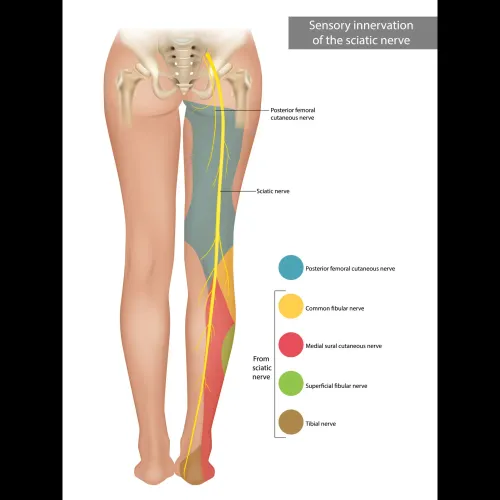
When pain originates from spinal joints or irritated nerves, image-guided procedures such as diagnostic blocks or radiofrequency ablation can provide precise and long-lasting relief. These interventions are performed under local anaesthesia, on a day-care basis, and require minimal downtime. They aim to interrupt the pain signals without altering the normal spinal structure.
4. Lifestyle and Ergonomic Modifications
A large proportion of low back pain is related to lifestyle errors. Small but consistent changes such as using lumbar support, avoiding prolonged sitting, maintaining a healthy weight, and incorporating regular stretching can significantly reduce the frequency of pain episodes. Patients are also encouraged to stay physically active within comfort limits rather than opting for complete rest.
5. Mind-Body and Stress Management
Chronic pain is not only physical; it is also influenced by the nervous system and emotional well-being. Stress can increase muscle tension and amplify pain perception. Relaxation techniques, deep breathing, mindfulness, and adequate sleep play a valuable role in calming the nervous system and promoting healing.
When to See a Pain Specialist
If low back pain persists for more than three months, keeps recurring, or begins to interfere with daily activities, consulting a pain management specialist is advisable. A pain specialist focuses on identifying the exact pain generator and designing an individualised non-surgical treatment plan. With access to modern imaging techniques and evidence-based interventions, most patients can achieve substantial relief without undergoing surgery.
A Holistic Approach to Healing
At our Sigma pain and spine clinic in Pune, the approach to chronic low back pain is comprehensive and conservative. Every patient undergoes a detailed evaluation to understand the cause, followed by a stepwise treatment plan that may include exercise therapy, ultrasound-guided dry needling, image-guided interventions, and lifestyle counselling. The goal is not only to reduce pain but also to restore function and confidence in movement.
Healing the spine is rarely about one quick procedure. It is a gradual process that involves science, patience, and the right guidance. Before considering surgery, it is always worth exploring the wide range of non-surgical solutions that can help you regain a pain-free, active life.
Keywords