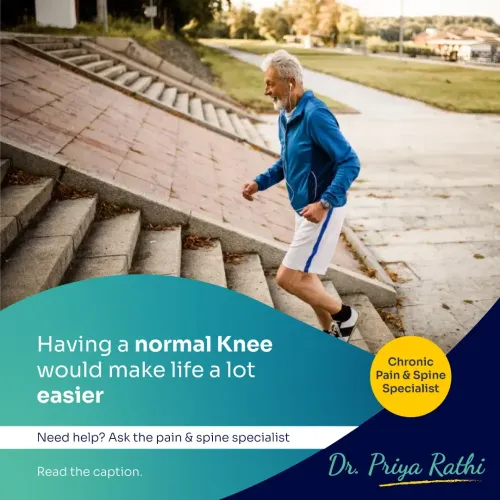
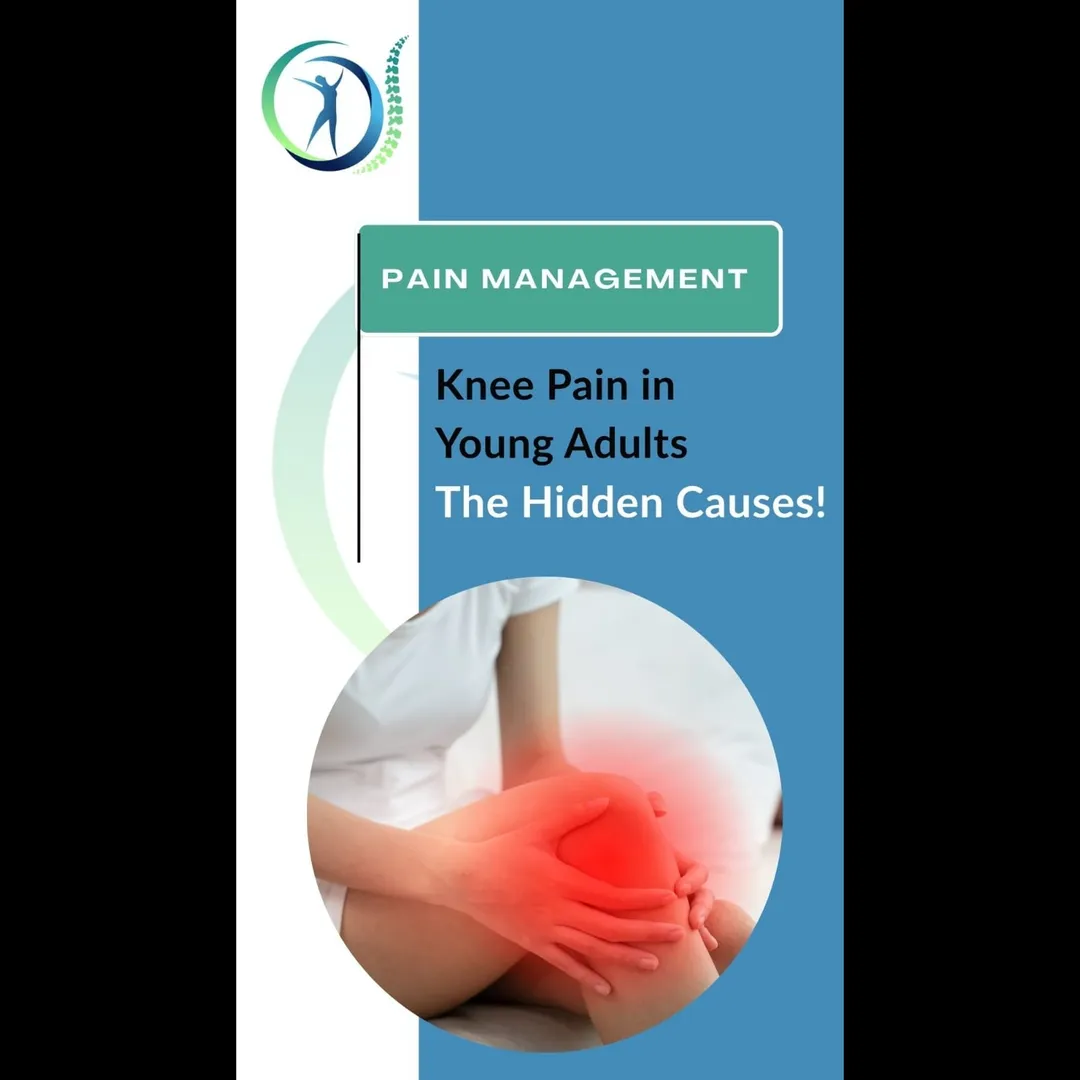
Living with knee pain can significantly impact your daily life, from climbing stairs to enjoying your favorite activities. If you're searching for effective knee pain treatment in Pune without surgery, you're not alone. Thousands of people in Pune are discovering that advanced non-surgical treatments can provide lasting relief from chronic knee pain.
Understanding Knee Pain
Knee pain is among the most common chronic pain conditions in India, affecting people of all ages. Whether you're dealing with osteoarthritis, sports injuries, or age-related wear and tear, modern pain management techniques offer hope without the risks and long recovery periods associated with surgery.
In Pune, several specialized pain clinics now offer cutting-edge treatments that can help you avoid surgery, reduce pain, and return to the activities you love.
Who Can Benefit from Non-Surgical Knee Treatment?
Non-surgical knee pain treatments work exceptionally well for:
• Early to moderate osteoarthritis patients who still have some cartilage remaining
• Active individuals wanting to return to sports and physical activities
• Patients avoiding surgery due to health conditions like diabetes or heart disease
• Those seeking alternatives to knee replacement surgery
• People with morning stiffness, pain after activity, or occasional swelling
• Failed conservative treatment patients who've tried medications and physiotherapy without success
Advanced Non-Surgical Treatment Options Available in Pune
1. Platelet-Rich Plasma (PRP) Therapy
PRP therapy has emerged as one of the most effective regenerative treatments for knee pain. This treatment uses your body's own healing factors to repair damaged tissues.
How it works:
• A small blood sample is drawn from your arm
• Blood is processed in a centrifuge to concentrate platelets
• Platelet-rich plasma is injected into the affected knee joint
• Growth factors stimulate tissue repair and reduce inflammation
Success Rate: Studies show 60-85% of patients experience significant pain reduction in early osteoarthritis
Treatment Duration: Typically 1-3 sessions over several weeks
Pain Relief Lasts: 6-12 months, with some patients experiencing longer relief
Cost in Pune: ₹15, 000 - ₹25, 000 per session (varies by clinic and technique)
Ideal For: Osteoarthritis, cartilage damage, tendon injuries, and ligament sprains
2. Viscosupplementation (Hyaluronic Acid Injections)
these injections supplement the natural lubricating fluid in your knee joint.
How it works:
• Hyaluronic acid (similar to natural joint fluid) is injected directly into the knee
• Provides cushioning and lubrication
• Reduces bone-on-bone friction
• Improves joint motion and function
Relief Duration: Effects can last 6-12 months
Best For: Patients with mild to moderate osteoarthritis who want to delay surgery
3. Radiofrequency Ablation (RFA) / Genicular Nerve Blocks
This innovative procedure interrupts pain signals from the knee without affecting the joint structure itself.
How it works:
• Step 1: Diagnostic genicular nerve block performed to identify pain-causing nerves
• Step 2: Second diagnostic block confirms results (requires 50% pain relief)
• Step 3: Radiofrequency ablation uses heat to temporarily disable pain-transmitting nerves
Procedure Details:
• Performed under X-ray (fluoroscopy) or ultrasound guidance
• Local anesthesia used
• Takes 20-40 minutes
• Outpatient procedure
Success Rate: Over 60% of patients achieve significant pain reduction for 6+ months
Pain Relief Duration: 6-12 months, sometimes up to 2 years
Ideal Candidates:
• Chronic knee osteoarthritis
• Failed knee replacement patients
• Patients medically unfit for surgery
• Those wanting to avoid surgery
Recovery: Mild soreness for 2-3 days, gradual improvement over 2 weeks
4. Corticosteroid Injections
While not a long-term solution, steroid injections remain valuable for managing acute flare-ups.
How it works:
• Anti-inflammatory medication injected directly into knee joint
• Rapidly reduces inflammation and pain
Effectiveness: Most effective for inflammatory arthritis
Frequency: Maximum 3-4 injections per year
Relief Duration: Several weeks to several months
Important Note: Not a curative treatment but excellent for managing symptoms
5. Physical Therapy and Rehabilitation
The foundation of any successful knee pain management program.
Components:
• Strengthening exercises for quadriceps and hamstrings
• Stretching and flexibility work
• Low-impact aerobic exercise (swimming, cycling)
• Manual therapy and massage
• Gait training
Benefits:
• Improves muscle support around knee
• Reduces pain naturally
• Prevents future injuries
• Often combined with other treatments for best results
6. Prolotherapy
An injection-based treatment that stimulates the body's natural healing process.
How it works:
• Irritant solution injected into damaged ligaments or tendons
• Triggers controlled inflammatory response
• Stimulates tissue repair and strengthening
Treatment Course: Usually 3-6 sessions spaced 3-4 weeks apart
Available in Pune: Several clinics including specialized prolotherapy centers in Hadapsar and other areas
Comparison Table: Non-Surgical Knee Treatments
Treatment Pain Relief Duration Success Rate Invasiveness Recovery Time Approximate Cost (Pune)
PRP Therapy 6-12 months 60-85% Minimal 2-3 days ₹15, 000-25, 000/session
Viscosupplementation 6-12 months 60-70% Minimal Immediate ₹20, 000-25, 000
RFA/Genicular Block 6-24 months 60%+ Minimal 2-3 weeks ₹1, 25, 000-1, 80, 000
Corticosteroid Injections Weeks-months 70%+ short-term Minimal Immediate ₹2, 000-7, 000/injection
Physical Therapy Ongoing High (preventive) Non-invasive Progressive ₹500-1, 500/session
Prolotherapy 12+ months 60-75% Minimal 1-2 weeks ₹3, 000-8, 000/session
Non-Surgical vs Surgical Treatment: Making the Choice
Factor Non-Surgical Treatment Knee Surgery
Recovery Time Days to weeks 3-6 months
Risks Minimal (infection, bruising) Infection, blood clots, anesthesia complications
Cost ₹5, 000-85, 000 (comprehensive) ₹2-5 lakhs+
Hospital Stay Outpatient/same day 2-5 days typically
Return to Activities 1-4 weeks 3-6 months
Revision Options Can repeat procedures Limited revision surgeries
Anesthesia Local or sedation General or spinal
Suitability Most patients Limited by health conditions
Longevity 6 months - 2 years 15-20 years (replacement)
Lifestyle Modifications That Enhance Treatment Success
Weight Management
Every kilogram of excess weight puts 3-6 times more pressure on your knees. Weight loss significantly reduces knee strain and improves treatment outcomes.
Low-Impact Exercise
• Swimming
• Cycling
• Walking (on soft surfaces)
• Yoga and stretching
• Tai chi
Dietary Considerations
• Anti-inflammatory foods (turmeric, ginger, omega-3 fatty acids)
• Adequate protein for tissue repair
• Hydration for joint lubrication
• Supplements: Glucosamine, chondroitin (consult your doctor)
Activity Modifications
• Avoid prolonged standing
• Use proper footwear with cushioning
• Take breaks during activities
• Apply ice after physical activity
• Use heat therapy before exercise
What to Expect: The Treatment Journey
Initial Consultation
• Detailed medical history
• Physical examination
• Review of imaging (X-rays, MRI)
• Discussion of treatment options
• Customized treatment plan
During Treatment
• Most procedures performed in clinic setting
• Local anesthesia or mild sedation
• Real-time imaging guidance (ultrasound/fluoroscopy)
• 30-60 minutes typically
• Go home same day
Post-Treatment Care
• Rest for 24-48 hours
• Ice application for swelling
• Gradual return to activities
• Follow-up physical therapy
• Regular monitoring
Expected Timeline for Results
• PRP: 2-6 weeks for initial improvement
• RFA: 10-14 days for maximum effect
• Viscosupplementation: 2-4 weeks
• Physical Therapy: Progressive improvement over months
Choosing the Right Pain Specialist in Pune
When selecting a pain physician for your knee treatment, consider:
Qualifications
• Board certification in Pain Management/Anesthesiology
• Fellowship training in interventional pain procedures
• Years of experience with knee treatments
Treatment Options
• Range of techniques offered
• Use of modern technology (ultrasound, fluoroscopy)
• Customized treatment plans
• Multimodal approach
Patient-Centered Care
• Detailed consultation time
• Clear explanation of procedures
• Realistic expectations discussed
• Follow-up protocols
• Emergency availability
Clinic Facilities
• Clean, modern facilities
• Latest equipment
• Trained support staff
• Convenient locations across Pune
Frequently Asked Questions (FAQs)
General Questions
Q1: Can non-surgical treatments completely cure knee osteoarthritis?
A: While osteoarthritis cannot be completely cured without surgery, non-surgical treatments can significantly reduce pain, improve function, and delay or even eliminate the need for knee replacement. Many patients achieve such good results that they avoid surgery indefinitely.
Q2: How do I know if I'm a candidate for non-surgical treatment?
A: Most people with knee pain are candidates for non-surgical treatment, especially if you have:
• Early to moderate arthritis (some cartilage remaining)
• Pain that hasn't responded to basic treatments
• Medical conditions making surgery risky
• Desire to avoid surgery
• Active lifestyle goals
Schedule a consultation with a pain specialist for personalized assessment.
Q3: Which treatment is best for my knee pain?
A: The best treatment depends on:
• Cause of your pain (arthritis, injury, inflammation)
• Severity of damage
• Your age and activity level
• Previous treatments tried
• Your overall health
• Treatment goals
A pain specialist will evaluate these factors and recommend a customized treatment plan, often combining multiple approaches.
Q4: How long do non-surgical treatments last?
A: Duration varies by treatment:
• PRP therapy: 6-12 months (can be repeated)
• Radiofrequency ablation: 6-24 months
• Viscosupplementation: 6-12 months
• Corticosteroid injections: Weeks to months
Results depend on individual factors, and treatments can be repeated for continued relief.
About PRP Therapy
Q5: Is PRP therapy safe?
A: Yes, PRP is very safe because it uses your own blood, eliminating risk of allergic reactions or disease transmission. Side effects are minimal:
• Temporary soreness at injection site
• Mild swelling for 1-2 days
• Rare: infection (as with any injection)
Q6: How many PRP sessions will I need?
A: Most patients need 1-3 sessions spaced 2-4 weeks apart. The number depends on:
• Severity of your condition
• Your response to treatment
• Treatment goals
• Your doctor's protocol
Q7: What is the PRP injection success rate for knee pain?
A: Clinical studies show:
• 60-85% of patients experience significant pain reduction
• Most effective for early to moderate osteoarthritis
• Better results when combined with physical therapy
• Younger patients and less severe damage typically respond better
Q8: Can I walk after a PRP injection?
A: Yes, you can walk immediately after PRP injection. However:
• Rest for 24-48 hours is recommended
• Avoid strenuous activities for 3-5 days
• Gentle movement helps with healing
• Follow your doctor's specific instructions
Q9: Does PRP regrow cartilage in the knee?
A: PRP stimulates tissue repair and may promote some cartilage regeneration, but it doesn't fully regrow severely damaged or lost cartilage. PRP:
• Reduces inflammation
• Improves existing tissue health
• May slow cartilage breakdown
• Works best when some cartilage remains
About Radiofrequency Ablation
Q10: Is radiofrequency ablation painful?
A: The procedure itself is not painful:
• Local anesthesia numbs the area
• Mild sedation available if needed
• Post-procedure soreness for 2-3 days (normal)
• Over-the-counter pain medication manages discomfort
Q11: How long does genicular nerve ablation last?
A: Relief typically lasts 6-12 months, with some patients experiencing:
• Pain relief up to 2 years
• Can be repeated when pain returns
• Success often similar with repeat procedures
Q12: What is the recovery time after RFA?
A: Recovery is quick:
• Same-day outpatient procedure
• Rest for 2-3 days
• Gradual return to activities over 1-2 weeks
• Maximum effect at 2-3 weeks post-procedure
Q13: Can RFA help with failed knee replacement pain?
A: Yes, studies show RFA can be effective for post-knee replacement pain in 15-30% of patients who continue experiencing pain after surgery. Success rates are similar to those for osteoarthritic pain.
About Costs and Insurance
Q14: What is the cost of PRP treatment in Pune?
A: PRP costs in Pune vary:
• Single session: ₹15, 000 - 25, 000
• Factors affecting cost:
o Clinic reputation and location
o Doctor's expertise
o Type of PRP kit used (Indian vs. foreign)
o Number of injections needed
o Additional services included
Q15: Does insurance cover non-surgical knee treatments?
A: Coverage varies by insurance provider:
• Some treatments may be covered if medically necessary
• Check with your insurance company before treatment
• Many clinics offer payment plans
• Consider comprehensive packages for better value
Q16: Is non-surgical treatment cheaper than surgery?
A: Yes, significantly cheaper:
• Non-surgical: ₹15, 000 – 1, 85, 000 (including comprehensive packages)
• Knee replacement surgery: ₹2-5 lakhs+
• Plus: No hospital stay costs, shorter recovery = less time off work
Treatment-Specific Questions
Q17: Can I have knee injections if I have diabetes?
A: Yes, with precautions:
• Blood sugar should be well-controlled
• Inform your doctor about diabetes
• Monitor blood sugar for 2-3 days post-injection (may temporarily increase)
• Benefits usually outweigh risks
Q18: Should I continue physiotherapy after injections?
A: Absolutely! Combination therapy works best:
• Physical therapy strengthens supporting muscles
• Maintains gains from injections
• Prevents future injury
• May extend duration of pain relief
Q19: Can these treatments help with meniscus tears?
A: Depends on tear type and location:
• Small, stable tears: PRP and conservative treatment may help
• Large or unstable tears: May require surgery
• Degenerative tears: Often respond well to injections
• Consult with specialist for evaluation
Q20: What if non-surgical treatment doesn't work for me?
A: If non-surgical approaches don't provide adequate relief:
• Surgery remains an option
• Non-surgical treatments don't make surgery more difficult
• Many patients delay surgery by years using these treatments
• Having tried conservative treatment makes you a better surgical candidate
Activity and Lifestyle Questions
Q21: How soon can I return to sports after treatment?
A: Timeline varies by treatment and sport:
• PRP: 4-6 weeks for return to sports
• RFA: 2-3 weeks for light activities, 4-6 weeks for sports
• Viscosupplementation: 2-4 weeks typically
• Start gradually and listen to your body
Q22: Can I climb stairs after knee treatment?
A: Yes, but pace yourself:
• Start with slow, controlled movements
• Use handrails for support
• Avoid excessive stair climbing initially
• Gradually increase as pain improves
Q23: Will I need to stop exercising during treatment?
A: Not necessarily:
• Modify activities, don't stop completely
• Switch to low-impact exercises
• Swimming and cycling usually encouraged
• Your doctor will provide specific guidelines
When to Consider Surgery Instead
While non-surgical treatments work for many patients, surgery may be necessary if:
• Severe cartilage loss - bone-on-bone contact on X-rays
• Complete ligament tears - ACL, PCL requiring reconstruction
• Failed conservative treatment - multiple treatments without improvement
• Significant deformity - severe misalignment affecting function
• Quality of life severely impacted - cannot perform daily activities
Even if surgery becomes necessary, having tried non-surgical treatments:
• Demonstrates conservative management to insurance
• May improve surgical outcomes
• Doesn't negatively impact surgery
• Helps set realistic expectations
Success Stories: What Patients Are Saying
'After trying PRP therapy, I can now do my daily yoga practice pain-free. I was told I needed knee replacement, but three years later, I'm still avoiding surgery!' - 58-year-old Pune resident
'The genicular nerve ablation was life-changing. My chronic knee pain reduced by 80%, and I can finally play with my grandchildren again.' - 64-year-old retired teacher
'Comprehensive treatment package combining PRP, physiotherapy, and dietary counseling helped me lose weight and eliminate my knee pain completely.' - 45-year-old IT professional
Taking the Next Step
If you're experiencing chronic knee pain, don't wait for it to worsen. Early intervention with non-surgical treatments can:
• Prevent further joint damage
• Avoid or delay surgery
• Improve quality of life quickly
• Return you to activities you love
• Cost less than surgery
What to Do Now
1. Schedule a Consultation - Meet with a qualified pain specialist in Pune
2. Bring Your Records - X-rays, MRI reports, previous treatment history
3. Prepare Questions - Write down concerns and goals
4. Discuss All Options - Learn about different treatments available
5. Create a Plan - Work with your doctor on customized treatment
Finding a Pain Specialist in Pune
Look for clinics offering:
• Multiple treatment modalities
• Modern imaging equipment
• Experienced, certified doctors
• Comprehensive care approach
• Convenient locations (Kothrud, Aundh, Deccan, Hadapsar, etc.)
Conclusion
Living with knee pain doesn't mean accepting a life of limitation. Modern non-surgical treatments available in Pune offer effective, safe alternatives to surgery. Whether you're dealing with osteoarthritis, sports injuries, or age-related wear and tear, there are multiple treatment options that can help you:
• Reduce or eliminate pain
• Improve mobility and function
• Return to favorite activities
• Avoid or delay surgery
• Enjoy better quality of life
The key is early intervention and working with a qualified pain specialist who can create a personalized treatment plan tailored to your specific needs.
Don't let knee pain control your life. Take the first step toward a pain-free future by scheduling a consultation with a pain management specialist in Pune today.
About Pain Management in Pune
Pune has emerged as a hub for advanced pain management services, with numerous clinics offering state-of-the-art non-surgical treatments for knee pain. From established pain centers in Kothrud and Aundh to specialized interventional pain clinics across the city, patients have access to world-class care without traveling outside Maharashtra.
The combination of highly trained specialists, modern equipment, and affordable pricing makes Pune an ideal location for those seeking effective knee pain treatment without surgery.
Take control of your knee pain today. Your journey to a pain-free life begins with a single step.
Disclaimer: This article is for informational purposes only and does not constitute medical advice. Always consult with a qualified healthcare provider for diagnosis and treatment recommendations specific to your condition.
Keywords