Headaches are common, but not all headaches are the same. Two frequently confused conditions are migraine and cervicogenic headache. Correct diagnosis is crucial because their treatment pathways are very different.
What is Migraine?
Migraine is a neurological disorder characterized by recurrent, throbbing headaches—often on one side of the head. It may be associated with nausea, vomiting, sensitivity to light or sound, and sometimes visual disturbances (aura). Migraine attacks can last from hours to days and are often triggered by stress, lack of sleep, hormonal changes, or certain foods.
What is Cervicogenic Headache?
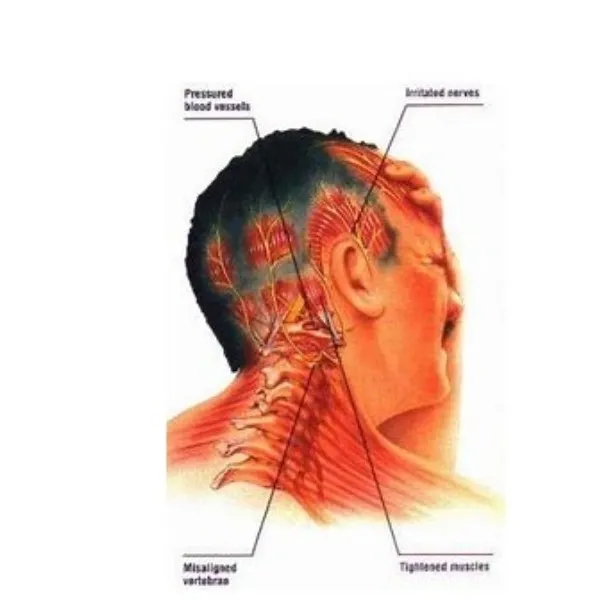
Cervicogenic headache originates from neck structures—muscles, joints, discs, or nerves of the cervical spine. The pain usually starts in the neck or back of the head and radiates to the forehead, temple, or behind the eye. Neck stiffness, poor posture, or prolonged computer/mobile use commonly aggravate it.
Key Differences at a Glance
• Origin: Brain-related (Migraine) vs Neck-related (Cervicogenic)
• Pain pattern: Throbbing, pulsatile vs Dull, aching, posture-related
• Associated symptoms: Nausea, light sensitivity vs Neck stiffness, restricted movement
• Response to treatment: Migraine medicines vs Physical therapy, targeted pain interventions like botox injections , ultrasound guided dry needling.
Why Correct Diagnosis Matters
Treating a cervicogenic headache as migraine may lead to poor relief. Addressing the neck source—through posture correction, physiotherapy, or image-guided pain procedures—can be life-changing.
When to Seek Help
If your headache starts from the neck, worsens with neck movement, or persists despite migraine medication, it may not be migraine at all.
Accurate diagnosis is the first step toward lasting relief.
What is Migraine?
Migraine is a neurological disorder characterized by recurrent, throbbing headaches—often on one side of the head. It may be associated with nausea, vomiting, sensitivity to light or sound, and sometimes visual disturbances (aura). Migraine attacks can last from hours to days and are often triggered by stress, lack of sleep, hormonal changes, or certain foods.
What is Cervicogenic Headache?
Cervicogenic headache originates from neck structures—muscles, joints, discs, or nerves of the cervical spine. The pain usually starts in the neck or back of the head and radiates to the forehead, temple, or behind the eye. Neck stiffness, poor posture, or prolonged computer/mobile use commonly aggravate it.
Key Differences at a Glance
• Origin: Brain-related (Migraine) vs Neck-related (Cervicogenic)
• Pain pattern: Throbbing, pulsatile vs Dull, aching, posture-related
• Associated symptoms: Nausea, light sensitivity vs Neck stiffness, restricted movement
• Response to treatment: Migraine medicines vs Physical therapy, targeted pain interventions like botox injections , ultrasound guided dry needling.
Why Correct Diagnosis Matters
Treating a cervicogenic headache as migraine may lead to poor relief. Addressing the neck source—through posture correction, physiotherapy, or image-guided pain procedures—can be life-changing.
When to Seek Help
If your headache starts from the neck, worsens with neck movement, or persists despite migraine medication, it may not be migraine at all.
Accurate diagnosis is the first step toward lasting relief.
Keywords