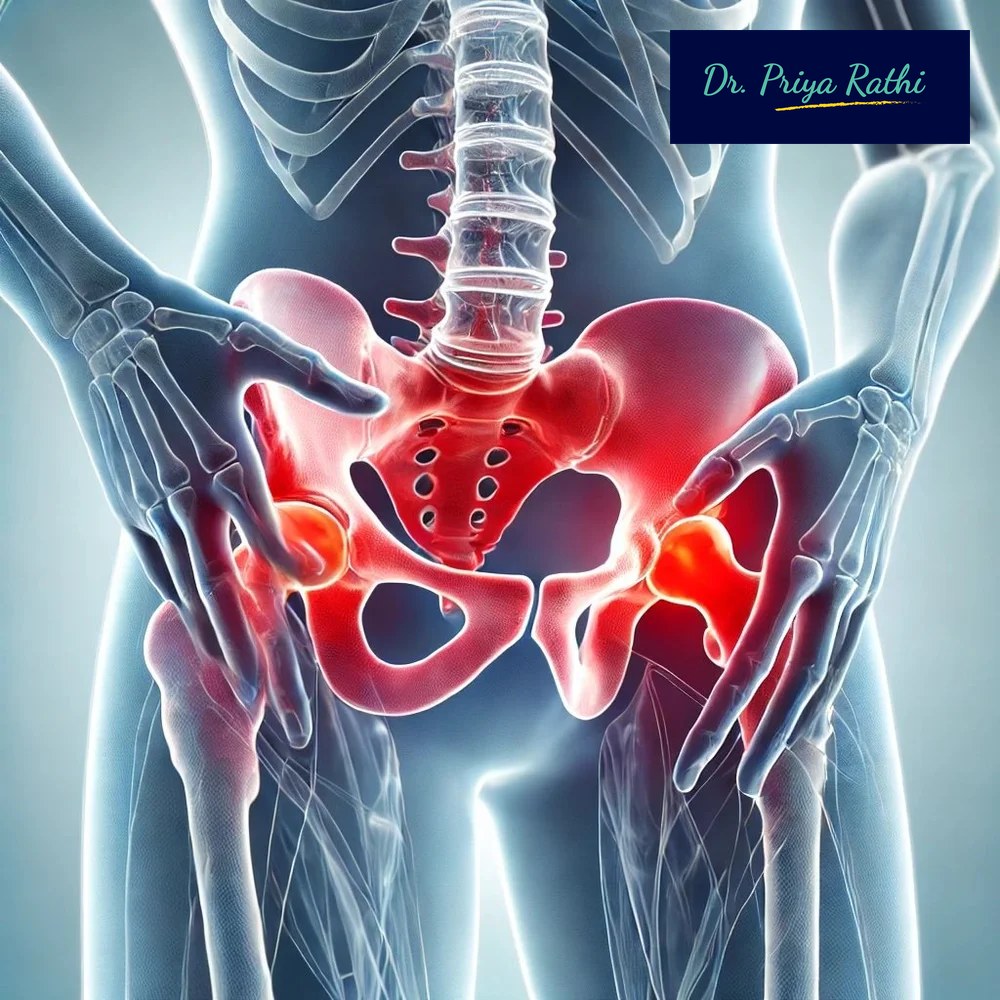
Chronic Pelvic Pain: Causes, Symptoms, and Treatment Options Explained
Struggling with pelvic pain that won't go away? Learn the causes, symptoms, and modern treatment options for chronic pelvic pain from Dr. Priya Rathi, Pain Medicine Specialist at Sigma Spine and Pain Clinic, Baner, Pune.
Introduction
Pelvic pain that lasts for weeks or months is more than just an inconvenience — it can affect sleep, work, relationships, and overall quality of life. Many people quietly live with this pain for years, unsure of what's causing it or which doctor to consult. If this sounds familiar, you're not alone, and more importantly, effective treatment is available.
This article explains what chronic pelvic pain (CPP) is, what commonly causes it, how it's diagnosed, and what treatment options are available today — including the role a pain medicine specialist can play in getting you lasting relief.
What Is Chronic Pelvic Pain?
Chronic pelvic pain is generally defined as pain in the lower abdomen or pelvic region that lasts for six months or longer, whether the pain is constant or comes and goes. It can affect anyone, though it is more commonly discussed in women's health because of its frequent association with the reproductive organs. However, chronic pelvic pain is not limited to gynecological causes — it can originate from the muscles, nerves, bladder, bowel, or joints in and around the pelvis.
Because so many different body systems overlap in the pelvic region, chronic pelvic pain is often described as a multi-system condition rather than a single diagnosis. This is precisely why it can be difficult to pinpoint and why it often requires a specialist's approach rather than a one-size-fits-all treatment.
Common Causes of Chronic Pelvic Pain
Chronic pelvic pain rarely has just one cause. In many cases, it's a combination of factors working together. Some of the most common contributors include:
1. Gynecological Causes
- Endometriosis (tissue similar to the uterine lining growing outside the uterus)
- Uterine fibroids
- Pelvic inflammatory disease (PID)
- Ovarian cysts
- Adenomyosis
2. Musculoskeletal Causes
- Pelvic floor muscle dysfunction or spasm
- Myofascial pain syndrome
- Sacroiliac joint dysfunction
- Postural imbalances or old injuries affecting the lower back and pelvis
3. Urological Causes
- Interstitial cystitis (painful bladder syndrome)
- Recurrent urinary tract infections
- Bladder outlet dysfunction
4. Gastrointestinal Causes
- Irritable bowel syndrome (IBS)
- Chronic constipation
- Inflammatory bowel disease
5. Neuropathic Causes
- Pudendal neuralgia or other nerve entrapment syndromes
- Nerve sensitization following surgery, childbirth, or infection
6. Psychological and Central Sensitization Factors
Long-standing pain can change the way the nervous system processes signals, a phenomenon known as central sensitization. Stress, anxiety, and past trauma don't "cause" the pain to be imaginary — but they can genuinely amplify how the nervous system perceives and responds to pain signals, making comprehensive care essential.
Symptoms That May Indicate Chronic Pelvic Pain
While symptoms vary from person to person, common signs include:
- Persistent dull ache or sharp pain in the lower abdomen or pelvis
- Pain that worsens with sitting, standing, or specific movements
- Pain during or after intercourse
- Pain associated with urination or bowel movements
- Pain that fluctuates with the menstrual cycle
- Lower back pain accompanying pelvic discomfort
- Fatigue or difficulty sleeping due to persistent discomfort
If you're experiencing any combination of these symptoms for more than a few months, it's worth having a thorough evaluation rather than waiting it out.
When Should You See a Specialist?
Many people first consult a gynecologist, urologist, or gastroenterologist depending on their primary symptom — and that's a reasonable starting point. However, when initial tests come back normal, or when treatment for a single suspected cause doesn't fully resolve the pain, it's time to consider a pain medicine specialist.
A pain medicine specialist looks at chronic pelvic pain differently: instead of searching for one single diagnosis, they evaluate how the nerves, muscles, joints, and central nervous system are all contributing to your specific pain pattern. This broader, mechanism-based approach is often what's needed to break a cycle of pain that hasn't responded to standard treatment alone.
How Is Chronic Pelvic Pain Diagnosed?
A thorough diagnostic process typically includes:
- Detailed history-taking — understanding the pain's onset, pattern, triggers, and relieving factors, along with menstrual, urinary, bowel, and sexual health history.
- Physical examination — including assessment of the abdominal wall, pelvic floor muscles, and lower back/hip joints for tenderness or trigger points.
- Imaging studies — such as ultrasound or MRI, when structural causes like fibroids, cysts, or endometriosis are suspected.
- Laboratory tests — to rule out infection or inflammatory markers.
- Diagnostic nerve blocks — in select cases, injecting a local anesthetic near a suspected nerve can help confirm whether that nerve is a source of the pain.
A multidisciplinary evaluation often gives the clearest picture, especially when the pain has multiple contributing factors.
Treatment Options for Chronic Pelvic Pain
The good news is that chronic pelvic pain is treatable, and treatment plans are increasingly tailored to the individual rather than applied generically. Options may include:
Medications
- Anti-inflammatory or nerve-modulating medications to reduce pain signaling
- Muscle relaxants for pelvic floor spasm
- Hormonal therapy, when a gynecological cause is identified
Physical Therapy
Specialized pelvic floor physical therapy is one of the most effective treatments for musculoskeletal contributors to CPP, helping to release tight muscles and retrain movement patterns.
Interventional Pain Procedures
For pain that hasn't responded to conservative measures, a pain medicine specialist may recommend:
- Trigger point injections
- Nerve blocks (such as pudendal nerve block)
- Radiofrequency ablation for specific nerve-related pain
- Botulinum toxin injections for pelvic floor muscle spasm, in select cases
Lifestyle and Supportive Measures
- Stress management techniques and relaxation training
- Dietary adjustments for bowel- or bladder-related triggers
- Gentle, guided exercise to improve pelvic and core stability
- Counseling or cognitive behavioral therapy, particularly where central sensitization plays a role
A Multidisciplinary Approach
Because chronic pelvic pain often has overlapping causes, the most effective outcomes usually come from a coordinated plan — combining input from pain medicine, gynecology, urology, gastroenterology, and physical therapy as needed, rather than relying on a single treatment in isolation.
The Role of a Pain Medicine Specialist in Chronic Pelvic Pain
A pain medicine specialist brings a distinct skill set to chronic pelvic pain care: expertise in nerve anatomy, interventional procedures, and pain pathway management. Rather than only treating the underlying organ-based diagnosis, this approach also addresses how the pain is being generated and sustained — which is often the missing piece for patients who haven't found relief elsewhere.
About Dr. Priya Rathi — Sigma Spine and Pain Clinic, Baner, Pune
Dr. Priya Rathi is a Pain Medicine Specialist at Sigma Spine and Pain Clinic, located in Baner, Pune. The clinic focuses on evidence-based, individualized management of chronic pain conditions, including chronic pelvic pain, using a combination of clinical evaluation, targeted interventional procedures, and coordinated care.
If you live in or around Baner, Pune, and have been dealing with persistent pelvic pain without clear answers, a consultation can help identify the underlying contributors to your pain and outline a personalized treatment plan.
Frequently Asked Questions
Is chronic pelvic pain only a women's health issue? No. While it's frequently discussed in the context of gynecological conditions, chronic pelvic pain can also stem from musculoskeletal, urological, gastrointestinal, or nerve-related causes, and it can affect people of any gender.
Can chronic pelvic pain be cured completely? Many people achieve significant, lasting relief with the right combination of treatments, especially when the underlying contributors are correctly identified. Some cases require ongoing management rather than a single "cure," similar to other chronic pain conditions.
Do I need surgery for chronic pelvic pain? Not necessarily. Many cases are managed successfully with medication, physical therapy, and minimally invasive interventional procedures. Surgery is generally considered only when a specific structural cause is identified and conservative treatments haven't worked.
How long does treatment usually take to show results? This varies widely depending on the cause and the individual. Some people notice improvement within a few weeks of starting targeted treatment, while more complex cases may take longer to fully resolve.
Conclusion
Chronic pelvic pain can feel confusing and isolating, especially when it doesn't fit neatly into one diagnosis. But with a thorough, mechanism-based evaluation and a personalized treatment plan, meaningful relief is possible. If persistent pelvic pain has been affecting your daily life, consider consulting a pain medicine specialist who can look at the full picture of what's driving your pain.
Dr. Priya Rathi, Sigma Spine and Pain Clinic, Baner, Pune, offers specialized evaluation and treatment for chronic pelvic pain and other chronic pain conditions. Book a consultation to take the first step toward lasting relief.
This article is for general informational purposes and does not replace personalized medical advice. Please consult a qualified healthcare provider for diagnosis and treatment specific to your condition.