PAIN MEDICINE SPECIALIST | INTERVENTIONAL PAIN MANAGEMENT
Postherpetic neuralgia (PHN) is chronic pain that persists after a shingles (herpes zoster) episode, caused by the varicella-zoster virus damaging sensory nerves. This guide answers the questions most commonly asked by patients in clinic — in plain language.
UNDERSTANDING YOUR CONDITION
What is Postherpetic Neuralgia?
1 What exactly is postherpetic neuralgia (PHN)?
Postherpetic neuralgia is nerve pain that continues after a shingles outbreak has healed. 'Post' means after, 'herpetic' refers to the herpes zoster virus (shingles), and 'neuralgia' means nerve pain.
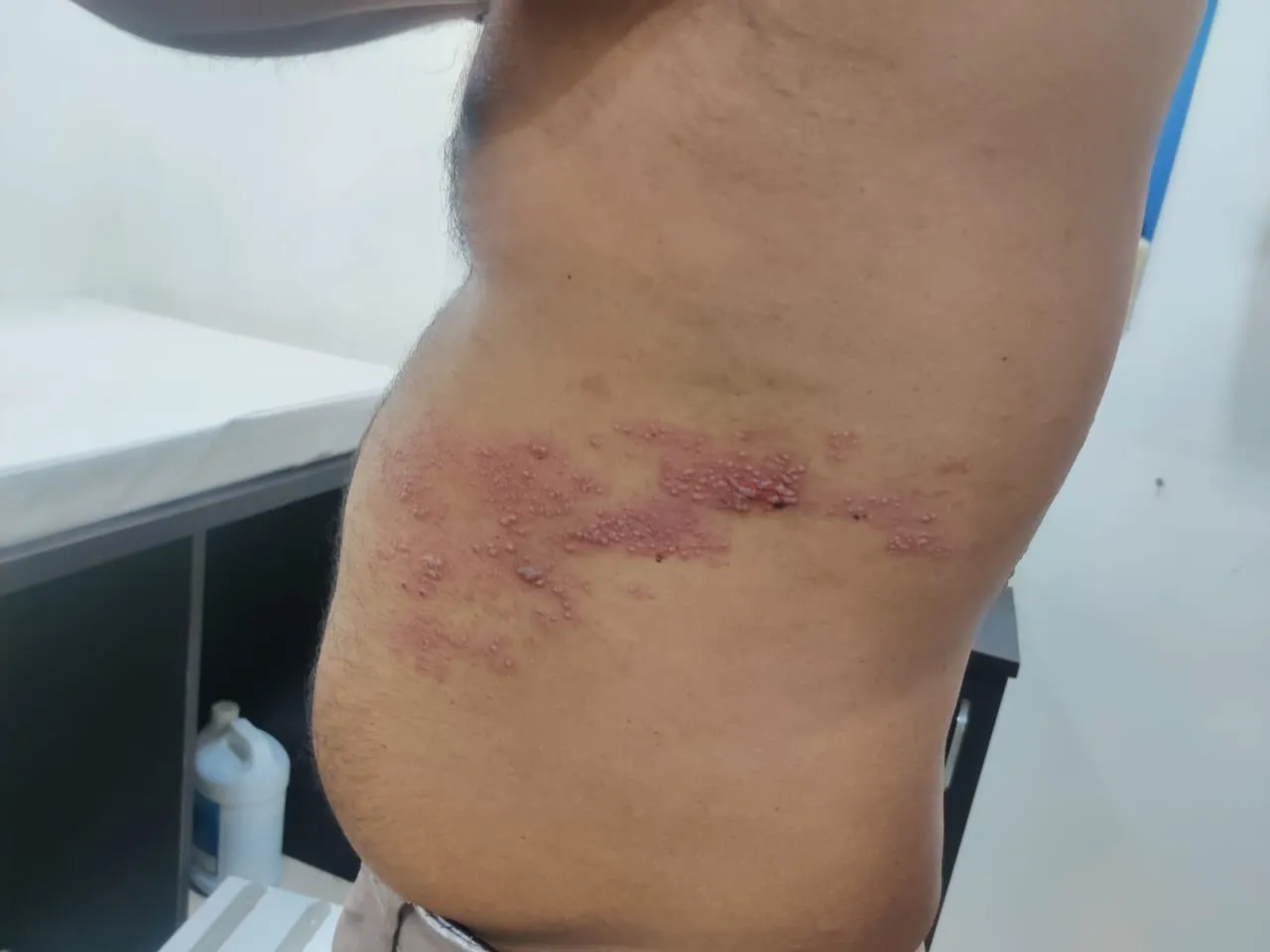
During the original shingles attack, the varicella-zoster virus — the same virus that causes chickenpox — reactivates from its hiding place in your spinal nerve root ganglion and travels down a sensory nerve. This journey physically damages the nerve fibre, leaving it scarred and misfiring long after the skin rash has cleared.
PHN is diagnosed when shingles-associated pain persists for more than 90 days after the rash first appeared.
2 Why does shingles cause lasting nerve damage?
When the varicella-zoster virus reactivates, it multiplies inside the dorsal root ganglion (the cluster of nerve cell bodies near your spinal cord) and travels outward along sensory nerves toward the skin. Along this journey, the virus destroys or demyelinates nerve fibres — stripping away the protective sheath that allows nerves to carry signals cleanly.
The result is a nerve that:
• Fires spontaneously and erratically, generating pain signals even when there is no actual tissue injury
• Becomes hypersensitive — light touch (even clothing) can feel intensely painful (allodynia)
• May partially or fully lose normal sensory function in the affected dermatome
3 Who is most at risk of developing PHN after shingles?
Several factors significantly increase the likelihood of PHN developing:
• Age over 60 — Age over 60 — the risk roughly doubles with each decade above 50
• Severe rash — Severe rash — more blisters typically indicates greater nerve injury
• Prodromal pain — Prodromal pain — pain before the rash appears suggests heavier nerve involvement
• Cranial nerve involvement — Cranial nerve involvement — especially the trigeminal nerve (face) and ophthalmic branch (eye)
• Delayed antiviral treatment — Delayed antiviral treatment — not starting antivirals within 72 hours of rash onset increases risk
• Immunocompromise — Immunocompromise — diabetes, chemotherapy, immunosuppressants, HIV
If you are over 50, getting vaccinated against shingles (Shingrix) reduces your PHN risk by over 90%. Speak to your doctor about vaccination even if you have had shingles before.
SYMPTOMS & SENSATIONS
What Does PHN Feel Like?
4 What kind of pain does PHN cause?
PHN produces several distinct types of pain, often simultaneously:
• Burning pain — Burning pain — a constant deep burning or aching, the most common complaint
• Shooting or stabbing pain — Shooting or stabbing pain — sudden electric-shock-like jolts lasting seconds to minutes
• Allodynia — Allodynia — pain triggered by normally painless stimuli such as clothing touching skin
• Hyperalgesia — Hyperalgesia — an exaggerated pain response to stimuli that would normally cause only mild discomfort
• Itching or crawling sensations — Itching or crawling sensations — some patients describe an unbearable itch rather than pain
Pain is typically confined to the dermatome — usually one side of the chest, abdomen, face, or less commonly a limb.
5 Why are my muscles stiff and tender in the painful area?
This is one of the most underrecognised aspects of PHN. When a nerve is continuously damaged and firing, the body responds with muscle guarding — an automatic protective tightening of muscles in and around the painful area.
Over weeks to months, this sustained muscle tension leads to:
• Myofascial trigger points — Myofascial trigger points — hypersensitive knots within the muscle that refer pain to other areas
• Reduced range of motion in nearby joints
• Fatigue and aching of the affected muscles
• A secondary pain layer on top of the neuropathic pain
Treating only the nerve while ignoring the muscle component often leads to incomplete pain relief. This is why ultrasound-guided dry needling is used alongside nerve-directed treatments — to address both components simultaneously.
6 Can PHN affect sleep, mood, and daily activities?
Absolutely — and this burden is often underestimated. PHN significantly affects quality of life across multiple dimensions:
• Sleep disruption — Sleep disruption — many patients cannot sleep on the affected side; burning pain worsens at night
• Depression and anxiety — Depression and anxiety — chronic pain and its unpredictability frequently lead to mood disorders
• Social withdrawal — Social withdrawal — hyperalgesia means social touch (hugs, handshakes) can be painful
• Impaired concentration — Impaired concentration — constant pain consumes cognitive resources
• Weight loss — Weight loss — in thoracic PHN, movements involved in eating may be painful
DIAGNOSIS
How is PHN Diagnosed?
7 How do doctors diagnose PHN? Are there specific tests?
PHN is primarily a clinical diagnosis — meaning it is based on the patient's history and physical examination rather than laboratory tests or imaging.
The diagnosis rests on three criteria:
• A history of confirmed shingles (herpes zoster) at the affected site
• Persistent pain in the same dermatome for more than 90 days after rash onset
• Physical findings consistent with nerve damage — altered sensation, allodynia, or hyperalgesia
In a specialist pain clinic, the assessment also includes:
• Sensory testing to map areas of hypersensitivity, numbness, or allodynia
• Musculoskeletal assessment to identify associated trigger points and muscle guarding
• Ultrasound examination to visualise affected nerves and surrounding soft tissue changes
Imaging (MRI/CT) is generally not required for PHN unless there is suspicion of an alternate diagnosis contributing to the pain.
8 Could my pain be something other than PHN?
With a clear history of shingles at the same location, PHN is rarely misdiagnosed. However, conditions that can mimic or co-exist with PHN include:
• Intercostal neuralgia from rib or thoracic spine pathology
• Diabetic peripheral neuropathy (in patients with diabetes)
• Radiculopathy from a spinal disc or nerve root compression
• Chest wall myofascial pain syndrome
• Trigeminal neuralgia (for facial PHN)
A thorough specialist assessment distinguishes these conditions and ensures treatment is precisely targeted.
INTERVENTIONAL PAIN TREATMENTS
Advanced Treatment Options for PHN
Nerve Blocks
A precisely placed injection of local anaesthetic (and sometimes corticosteroid) around the affected nerve or nerve root interrupts the pain signal pathway, providing immediate relief and allowing the nervous system to reset.
IMMEDIATE RELIEF
Radiofrequency Ablation
A specialised needle tip delivers controlled heat energy to the overactive nerve, disrupting its ability to transmit pain signals. The effect lasts months to years and can be repeated. Pulsed RFA is used near sensitive nerves to preserve sensation.
LONG-LASTING RELIEF
Ultrasound-Guided Dry Needling
A fine needle is inserted directly into myofascial trigger points under real-time ultrasound guidance, releasing muscle knots, improving blood flow, and reducing the secondary muscle pain component of PHN. Precision guidance prevents complications.
MUSCLE COMPONENT
9 How does a nerve block work for PHN — and how long does it last?
A nerve block for PHN typically targets the intercostal nerves, paravertebral nerves, or the affected nerve root, depending on the location of your pain. Under ultrasound or fluoroscopic guidance, a fine needle is advanced to the precise location around the nerve.
A solution containing local anaesthetic (and sometimes a corticosteroid) is deposited around the nerve sheath. This:
• Immediately silences the pain signals traveling along the nerve
• Reduces neuroinflammation around the damaged nerve
• Can interrupt the cycle of central sensitisation
• Provides a window of relief during which physiotherapy and rehabilitation are more effective
Duration of relief varies — some patients have weeks of relief from a single block; others benefit from a series of 3 to 6 injections. Nerve blocks are also valuable as a diagnostic tool before proceeding to radiofrequency ablation.
The procedure typically takes 15-30 minutes. Most patients can return home the same day.
10 What is radiofrequency ablation (RFA) and is it suitable for PHN?
Radiofrequency ablation uses a specialised probe to deliver precisely controlled thermal energy to a targeted nerve. At temperatures of 60-80°C (conventional RFA), the nerve tissue responsible for transmitting pain is disrupted, providing long-lasting relief.
For PHN, two types of RFA are used:
• Conventional (thermal) RFA — Conventional (thermal) RFA — preferred for nerves where some sensory loss is acceptable, such as intercostal nerves in thoracic PHN
• Pulsed RFA — Pulsed RFA — uses short bursts of high-frequency energy without sustained heat, modifying nerve function without destroying it; used near the dorsal root ganglion or facial nerves where preserving sensation is important
Relief often lasts 6 months to 2 years. When pain returns, the procedure can be safely repeated.
Not everyone with PHN is a candidate for RFA. Suitability depends on location, duration, prior treatments, and a positive response to a diagnostic nerve block. A specialist assessment is essential.
11 What is ultrasound-guided dry needling and why is ultrasound important?
Dry needling involves inserting a thin, solid needle (without injecting any substance) directly into a myofascial trigger point — a hypersensitive, contracted band within a muscle. This produces a local twitch response that releases the trigger point, restores muscle length, and reduces secondary pain.
Ultrasound guidance adds critical precision:
• The needle can be visualised in real time as it approaches the target
• Adjacent nerves, blood vessels, and organs (especially important in thoracic PHN, near the lung) can be identified and avoided
• Deeper trigger points in the intercostal or paraspinal muscles — impossible to reach safely by palpation alone — can be treated accurately
Patients often notice improved muscle flexibility and reduced aching within 24-72 hours of treatment, with optimal results after a course of 3-6 sessions.
12 How many treatments will I need before I see improvement?
This varies between individuals and depends on duration of pain, severity of nerve damage, and which treatments are used. A typical treatment trajectory:
• First consultation — First consultation — detailed assessment, diagnosis confirmation, baseline pain scoring
• Weeks 1–4 — Weeks 1-4 — first nerve block and initial dry needling session; most patients notice improvement within 1-2 weeks
• Weeks 4–8 — Weeks 4-8 — repeat block if indicated; additional needling sessions; reassess response
• Month 3 onwards — Month 3 onwards — if adequate but temporary relief, RFA is considered for sustained benefit
13 Will I still need pain medications alongside these procedures?
For most patients, interventional treatments significantly reduce — but may not immediately eliminate — the need for medications, especially in early treatment phases. First-line medications used in PHN include:
• Gabapentinoids — Gabapentinoids (pregabalin, gabapentin) — reduce neuronal excitability
• Tricyclic antidepressants — Tricyclic antidepressants (amitriptyline, nortriptyline) — modulate pain pathways
• Topical agents — Topical agents — lidocaine patches, capsaicin 8% patch
Never reduce or stop prescribed neuropathic medications abruptly without guidance. Tapering must be gradual and supervised.
LIVING WITH PHN
Prognosis, Expectations & Recovery
14 Can PHN be cured, or only managed?
The honest answer is: it depends on when treatment begins and how damaged the nerve is. PHN occupies a spectrum:
• Early PHN (under 6 months) — Early PHN (under 6 months) — there is a reasonable chance of complete resolution with aggressive early intervention, as the nervous system retains plasticity
• Established PHN — Established PHN (6 months to 2 years) — complete cure is less likely, but significant pain reduction (50-80%) is achievable with appropriate treatment
• Chronic PHN (over 2 years) — Chronic PHN (over 2 years) — the primary goal shifts to meaningful pain reduction, improved function, and reduced medication burden
Importantly, 'not cured' does not mean 'not helped.' Many patients achieve pain levels they can comfortably live with following a combination of nerve blocks, RFA, and dry needling.
15 Are there risks or side effects with these procedures?
All procedures carry some risk, which is why ultrasound guidance and rigorous technique matter:
• Nerve blocks — Nerve blocks — temporary soreness at injection site, transient dizziness; risk of pneumothorax with intercostal blocks is extremely low under ultrasound guidance
• Radiofrequency ablation — Radiofrequency ablation — post-procedure soreness for 1-2 weeks, temporary increase in pain, risk of numbness in the treated nerve distribution
• Dry needling — Dry needling — localised soreness for 24-48 hours, occasional bruising; under ultrasound guidance risk to the lung in thoracic needling is effectively eliminated
Before any procedure, risks are discussed in detail and documented as part of informed consent.
16 What can I do at home to help manage PHN?
Self-management strategies that complement clinical treatment:
• Skin protection — Skin protection — loose, soft clothing (natural fibres) over the affected area; cooling packs or lidocaine gel for allodynia flares
• Sleep hygiene — Sleep hygiene — side-lying with a pillow against the painful area to reduce pressure
• Gentle movement — Gentle movement — avoiding prolonged immobility prevents muscle wasting; physiotherapy guidance is valuable
• Stress reduction — Stress reduction — mindfulness-based stress reduction (MBSR) has evidence in chronic neuropathic pain
• TENS — TENS (Transcutaneous Electrical Nerve Stimulation) — a home TENS unit can reduce allodynia and burning pain for some PHN patients
Keep a pain diary tracking pain scores, triggers, medication use, and sleep quality. This information is invaluable for optimising your treatment plan at each consultation.
Ready to take the next step?
Effective treatment for postherpetic neuralgia requires an accurate diagnosis and a personalised plan. Book a consultation to discuss your options.
www.drpriyarathi.com | +91-9823743726
Medical disclaimer: The information in this document is for educational purposes and does not constitute medical advice or replace a consultation with a qualified pain medicine specialist. Individual treatment suitability, risks, and expected outcomes vary.
Postherpetic neuralgia (PHN) is chronic pain that persists after a shingles (herpes zoster) episode, caused by the varicella-zoster virus damaging sensory nerves. This guide answers the questions most commonly asked by patients in clinic — in plain language.
UNDERSTANDING YOUR CONDITION
What is Postherpetic Neuralgia?
1 What exactly is postherpetic neuralgia (PHN)?
Postherpetic neuralgia is nerve pain that continues after a shingles outbreak has healed. 'Post' means after, 'herpetic' refers to the herpes zoster virus (shingles), and 'neuralgia' means nerve pain.
During the original shingles attack, the varicella-zoster virus — the same virus that causes chickenpox — reactivates from its hiding place in your spinal nerve root ganglion and travels down a sensory nerve. This journey physically damages the nerve fibre, leaving it scarred and misfiring long after the skin rash has cleared.
PHN is diagnosed when shingles-associated pain persists for more than 90 days after the rash first appeared.
2 Why does shingles cause lasting nerve damage?
When the varicella-zoster virus reactivates, it multiplies inside the dorsal root ganglion (the cluster of nerve cell bodies near your spinal cord) and travels outward along sensory nerves toward the skin. Along this journey, the virus destroys or demyelinates nerve fibres — stripping away the protective sheath that allows nerves to carry signals cleanly.
The result is a nerve that:
• Fires spontaneously and erratically, generating pain signals even when there is no actual tissue injury
• Becomes hypersensitive — light touch (even clothing) can feel intensely painful (allodynia)
• May partially or fully lose normal sensory function in the affected dermatome
3 Who is most at risk of developing PHN after shingles?
Several factors significantly increase the likelihood of PHN developing:
• Age over 60 — Age over 60 — the risk roughly doubles with each decade above 50
• Severe rash — Severe rash — more blisters typically indicates greater nerve injury
• Prodromal pain — Prodromal pain — pain before the rash appears suggests heavier nerve involvement
• Cranial nerve involvement — Cranial nerve involvement — especially the trigeminal nerve (face) and ophthalmic branch (eye)
• Delayed antiviral treatment — Delayed antiviral treatment — not starting antivirals within 72 hours of rash onset increases risk
• Immunocompromise — Immunocompromise — diabetes, chemotherapy, immunosuppressants, HIV
If you are over 50, getting vaccinated against shingles (Shingrix) reduces your PHN risk by over 90%. Speak to your doctor about vaccination even if you have had shingles before.
SYMPTOMS & SENSATIONS
What Does PHN Feel Like?
4 What kind of pain does PHN cause?
PHN produces several distinct types of pain, often simultaneously:
• Burning pain — Burning pain — a constant deep burning or aching, the most common complaint
• Shooting or stabbing pain — Shooting or stabbing pain — sudden electric-shock-like jolts lasting seconds to minutes
• Allodynia — Allodynia — pain triggered by normally painless stimuli such as clothing touching skin
• Hyperalgesia — Hyperalgesia — an exaggerated pain response to stimuli that would normally cause only mild discomfort
• Itching or crawling sensations — Itching or crawling sensations — some patients describe an unbearable itch rather than pain
Pain is typically confined to the dermatome — usually one side of the chest, abdomen, face, or less commonly a limb.
5 Why are my muscles stiff and tender in the painful area?
This is one of the most underrecognised aspects of PHN. When a nerve is continuously damaged and firing, the body responds with muscle guarding — an automatic protective tightening of muscles in and around the painful area.
Over weeks to months, this sustained muscle tension leads to:
• Myofascial trigger points — Myofascial trigger points — hypersensitive knots within the muscle that refer pain to other areas
• Reduced range of motion in nearby joints
• Fatigue and aching of the affected muscles
• A secondary pain layer on top of the neuropathic pain
Treating only the nerve while ignoring the muscle component often leads to incomplete pain relief. This is why ultrasound-guided dry needling is used alongside nerve-directed treatments — to address both components simultaneously.
6 Can PHN affect sleep, mood, and daily activities?
Absolutely — and this burden is often underestimated. PHN significantly affects quality of life across multiple dimensions:
• Sleep disruption — Sleep disruption — many patients cannot sleep on the affected side; burning pain worsens at night
• Depression and anxiety — Depression and anxiety — chronic pain and its unpredictability frequently lead to mood disorders
• Social withdrawal — Social withdrawal — hyperalgesia means social touch (hugs, handshakes) can be painful
• Impaired concentration — Impaired concentration — constant pain consumes cognitive resources
• Weight loss — Weight loss — in thoracic PHN, movements involved in eating may be painful
DIAGNOSIS
How is PHN Diagnosed?
7 How do doctors diagnose PHN? Are there specific tests?
PHN is primarily a clinical diagnosis — meaning it is based on the patient's history and physical examination rather than laboratory tests or imaging.
The diagnosis rests on three criteria:
• A history of confirmed shingles (herpes zoster) at the affected site
• Persistent pain in the same dermatome for more than 90 days after rash onset
• Physical findings consistent with nerve damage — altered sensation, allodynia, or hyperalgesia
In a specialist pain clinic, the assessment also includes:
• Sensory testing to map areas of hypersensitivity, numbness, or allodynia
• Musculoskeletal assessment to identify associated trigger points and muscle guarding
• Ultrasound examination to visualise affected nerves and surrounding soft tissue changes
Imaging (MRI/CT) is generally not required for PHN unless there is suspicion of an alternate diagnosis contributing to the pain.
8 Could my pain be something other than PHN?
With a clear history of shingles at the same location, PHN is rarely misdiagnosed. However, conditions that can mimic or co-exist with PHN include:
• Intercostal neuralgia from rib or thoracic spine pathology
• Diabetic peripheral neuropathy (in patients with diabetes)
• Radiculopathy from a spinal disc or nerve root compression
• Chest wall myofascial pain syndrome
• Trigeminal neuralgia (for facial PHN)
A thorough specialist assessment distinguishes these conditions and ensures treatment is precisely targeted.
INTERVENTIONAL PAIN TREATMENTS
Advanced Treatment Options for PHN
Nerve Blocks
A precisely placed injection of local anaesthetic (and sometimes corticosteroid) around the affected nerve or nerve root interrupts the pain signal pathway, providing immediate relief and allowing the nervous system to reset.
IMMEDIATE RELIEF
Radiofrequency Ablation
A specialised needle tip delivers controlled heat energy to the overactive nerve, disrupting its ability to transmit pain signals. The effect lasts months to years and can be repeated. Pulsed RFA is used near sensitive nerves to preserve sensation.
LONG-LASTING RELIEF
Ultrasound-Guided Dry Needling
A fine needle is inserted directly into myofascial trigger points under real-time ultrasound guidance, releasing muscle knots, improving blood flow, and reducing the secondary muscle pain component of PHN. Precision guidance prevents complications.
MUSCLE COMPONENT
9 How does a nerve block work for PHN — and how long does it last?
A nerve block for PHN typically targets the intercostal nerves, paravertebral nerves, or the affected nerve root, depending on the location of your pain. Under ultrasound or fluoroscopic guidance, a fine needle is advanced to the precise location around the nerve.
A solution containing local anaesthetic (and sometimes a corticosteroid) is deposited around the nerve sheath. This:
• Immediately silences the pain signals traveling along the nerve
• Reduces neuroinflammation around the damaged nerve
• Can interrupt the cycle of central sensitisation
• Provides a window of relief during which physiotherapy and rehabilitation are more effective
Duration of relief varies — some patients have weeks of relief from a single block; others benefit from a series of 3 to 6 injections. Nerve blocks are also valuable as a diagnostic tool before proceeding to radiofrequency ablation.
The procedure typically takes 15-30 minutes. Most patients can return home the same day.
10 What is radiofrequency ablation (RFA) and is it suitable for PHN?
Radiofrequency ablation uses a specialised probe to deliver precisely controlled thermal energy to a targeted nerve. At temperatures of 60-80°C (conventional RFA), the nerve tissue responsible for transmitting pain is disrupted, providing long-lasting relief.
For PHN, two types of RFA are used:
• Conventional (thermal) RFA — Conventional (thermal) RFA — preferred for nerves where some sensory loss is acceptable, such as intercostal nerves in thoracic PHN
• Pulsed RFA — Pulsed RFA — uses short bursts of high-frequency energy without sustained heat, modifying nerve function without destroying it; used near the dorsal root ganglion or facial nerves where preserving sensation is important
Relief often lasts 6 months to 2 years. When pain returns, the procedure can be safely repeated.
Not everyone with PHN is a candidate for RFA. Suitability depends on location, duration, prior treatments, and a positive response to a diagnostic nerve block. A specialist assessment is essential.
11 What is ultrasound-guided dry needling and why is ultrasound important?
Dry needling involves inserting a thin, solid needle (without injecting any substance) directly into a myofascial trigger point — a hypersensitive, contracted band within a muscle. This produces a local twitch response that releases the trigger point, restores muscle length, and reduces secondary pain.
Ultrasound guidance adds critical precision:
• The needle can be visualised in real time as it approaches the target
• Adjacent nerves, blood vessels, and organs (especially important in thoracic PHN, near the lung) can be identified and avoided
• Deeper trigger points in the intercostal or paraspinal muscles — impossible to reach safely by palpation alone — can be treated accurately
Patients often notice improved muscle flexibility and reduced aching within 24-72 hours of treatment, with optimal results after a course of 3-6 sessions.
12 How many treatments will I need before I see improvement?
This varies between individuals and depends on duration of pain, severity of nerve damage, and which treatments are used. A typical treatment trajectory:
• First consultation — First consultation — detailed assessment, diagnosis confirmation, baseline pain scoring
• Weeks 1–4 — Weeks 1-4 — first nerve block and initial dry needling session; most patients notice improvement within 1-2 weeks
• Weeks 4–8 — Weeks 4-8 — repeat block if indicated; additional needling sessions; reassess response
• Month 3 onwards — Month 3 onwards — if adequate but temporary relief, RFA is considered for sustained benefit
13 Will I still need pain medications alongside these procedures?
For most patients, interventional treatments significantly reduce — but may not immediately eliminate — the need for medications, especially in early treatment phases. First-line medications used in PHN include:
• Gabapentinoids — Gabapentinoids (pregabalin, gabapentin) — reduce neuronal excitability
• Tricyclic antidepressants — Tricyclic antidepressants (amitriptyline, nortriptyline) — modulate pain pathways
• Topical agents — Topical agents — lidocaine patches, capsaicin 8% patch
Never reduce or stop prescribed neuropathic medications abruptly without guidance. Tapering must be gradual and supervised.
LIVING WITH PHN
Prognosis, Expectations & Recovery
14 Can PHN be cured, or only managed?
The honest answer is: it depends on when treatment begins and how damaged the nerve is. PHN occupies a spectrum:
• Early PHN (under 6 months) — Early PHN (under 6 months) — there is a reasonable chance of complete resolution with aggressive early intervention, as the nervous system retains plasticity
• Established PHN — Established PHN (6 months to 2 years) — complete cure is less likely, but significant pain reduction (50-80%) is achievable with appropriate treatment
• Chronic PHN (over 2 years) — Chronic PHN (over 2 years) — the primary goal shifts to meaningful pain reduction, improved function, and reduced medication burden
Importantly, 'not cured' does not mean 'not helped.' Many patients achieve pain levels they can comfortably live with following a combination of nerve blocks, RFA, and dry needling.
15 Are there risks or side effects with these procedures?
All procedures carry some risk, which is why ultrasound guidance and rigorous technique matter:
• Nerve blocks — Nerve blocks — temporary soreness at injection site, transient dizziness; risk of pneumothorax with intercostal blocks is extremely low under ultrasound guidance
• Radiofrequency ablation — Radiofrequency ablation — post-procedure soreness for 1-2 weeks, temporary increase in pain, risk of numbness in the treated nerve distribution
• Dry needling — Dry needling — localised soreness for 24-48 hours, occasional bruising; under ultrasound guidance risk to the lung in thoracic needling is effectively eliminated
Before any procedure, risks are discussed in detail and documented as part of informed consent.
16 What can I do at home to help manage PHN?
Self-management strategies that complement clinical treatment:
• Skin protection — Skin protection — loose, soft clothing (natural fibres) over the affected area; cooling packs or lidocaine gel for allodynia flares
• Sleep hygiene — Sleep hygiene — side-lying with a pillow against the painful area to reduce pressure
• Gentle movement — Gentle movement — avoiding prolonged immobility prevents muscle wasting; physiotherapy guidance is valuable
• Stress reduction — Stress reduction — mindfulness-based stress reduction (MBSR) has evidence in chronic neuropathic pain
• TENS — TENS (Transcutaneous Electrical Nerve Stimulation) — a home TENS unit can reduce allodynia and burning pain for some PHN patients
Keep a pain diary tracking pain scores, triggers, medication use, and sleep quality. This information is invaluable for optimising your treatment plan at each consultation.
Ready to take the next step?
Effective treatment for postherpetic neuralgia requires an accurate diagnosis and a personalised plan. Book a consultation to discuss your options.
www.drpriyarathi.com | +91-9823743726
Medical disclaimer: The information in this document is for educational purposes and does not constitute medical advice or replace a consultation with a qualified pain medicine specialist. Individual treatment suitability, risks, and expected outcomes vary.
Keywords